DIAGNOdent is a laser fluorescence device dentists use to help detect tooth decay that may not be visible during a standard visual exam. The device measures fluorescence in the tooth structure and gives your dentist an additional reading to consider alongside a clinical exam and X-rays. It’s a diagnostic aid, not a replacement for either, and a positive reading doesn’t automatically mean you need a filling.
Finding tooth decay early can make a significant difference in how it is treated. While traditional dental exams and X-rays are important tools for identifying cavities, some areas of early decay can be difficult to see. DIAGNOdent uses laser fluorescence technology to help dentists identify areas of tooth decay that may not be obvious during a visual examination.
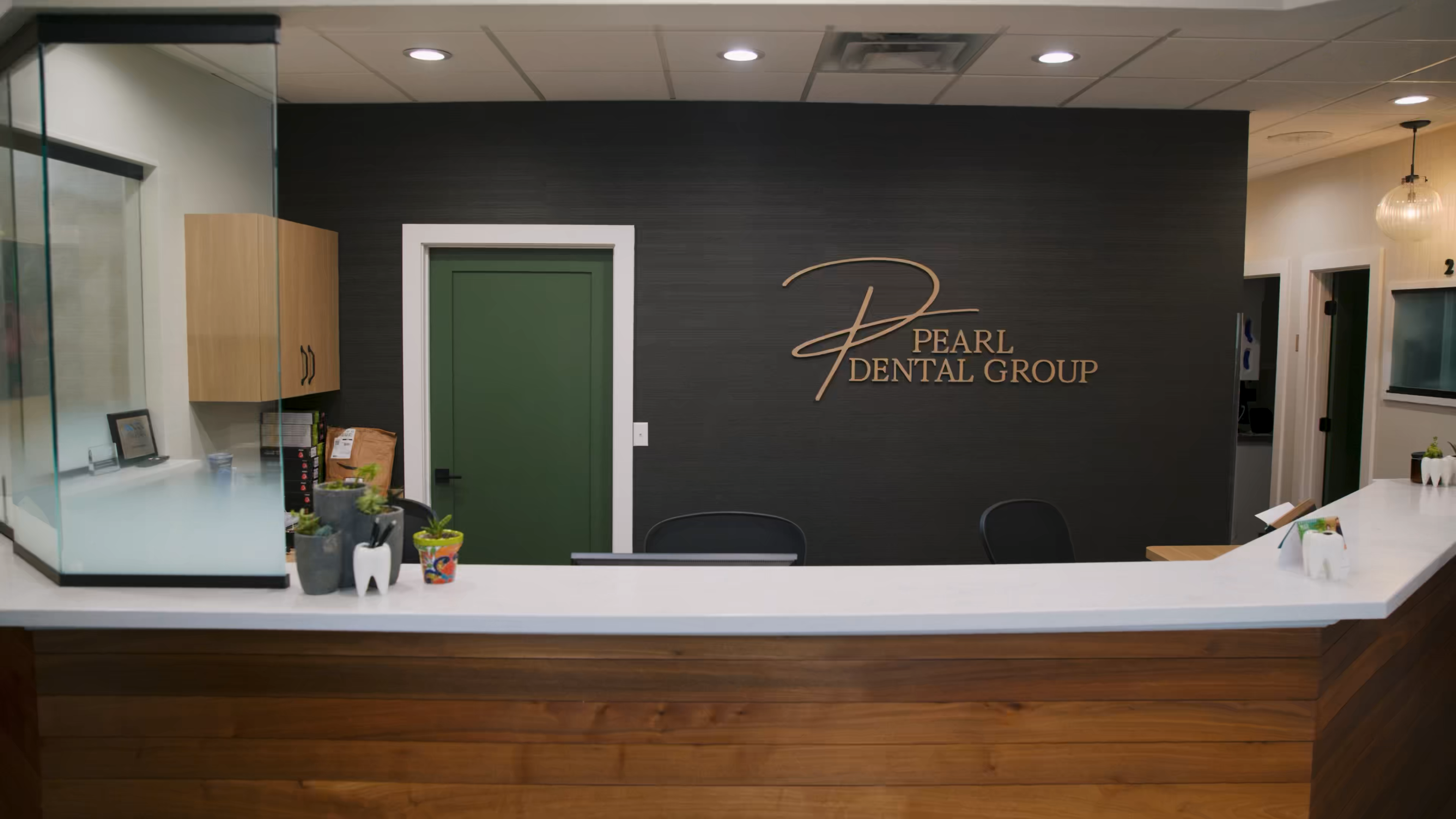
At Pearl Dental Group, we use DIAGNOdent as part of our comprehensive approach to preventive and restorative dental care. The technology provides our team with additional information when evaluating your teeth and can help us determine whether an area may require closer monitoring or treatment.
For patients in Hilliard, Upper Arlington, Dublin, and surrounding Central Ohio communities, DIAGNOdent is one of the technologies we use to support early detection and personalized dental care.
What Is DIAGNOdent?
DIAGNOdent is a laser fluorescence device designed to help detect tooth decay. The technology uses light to identify changes in tooth structure that may be associated with decay.
Unlike a traditional visual examination, which relies on what your dentist can see and feel, DIAGNOdent provides an additional source of information when evaluating certain areas of the tooth.
This can be particularly useful when looking for early changes that may not yet be obvious during a routine examination.
How Does DIAGNOdent Detect Cavities?
DIAGNOdent uses laser fluorescence to evaluate the tooth’s structure. When the device is placed against the tooth, it measures fluorescence and provides a reading that can help your dentist identify areas that may indicate decay.
The technology is designed to complement, rather than replace, a comprehensive dental examination. Your dentist considers the DIAGNOdent reading alongside your clinical examination, dental history, and other diagnostic information when determining whether a tooth needs treatment.
Can DIAGNOdent Find Cavities Earlier?
One of the primary benefits of DIAGNOdent is its ability to provide additional information about areas of the tooth where early decay may be developing.
Early detection gives your dentist an opportunity to evaluate the area before the problem becomes more extensive. Depending on the location and severity of the decay, your dentist may recommend monitoring the area, improving preventive care, or treating the tooth.
The earlier a dental problem is identified, the more options your dentist may have for managing it while preserving healthy tooth structure.
Does DIAGNOdent Replace Dental X-Rays?
No. DIAGNOdent and dental X-rays serve different purposes and can provide complementary information.
Digital X-rays allow your dentist to examine areas within and around the teeth that aren’t visible during a visual examination. DIAGNOdent provides information based on laser fluorescence from the tooth surface.
Your dentist will determine which diagnostic tools are appropriate based on your individual oral health, dental history, and risk factors.
Is DIAGNOdent Comfortable?
DIAGNOdent is a non-invasive diagnostic technology. The device is placed against the tooth to collect information, so there is no drilling or injection involved.
For patients who experience dental anxiety, having additional diagnostic technology available can also make it easier to understand what’s happening with their oral health. Your dental team can explain what they are looking for and why a particular diagnostic tool may be recommended.
What Happens If DIAGNOdent Detects Possible Decay?
A DIAGNOdent reading does not automatically mean that you need a filling. Your dentist will evaluate the reading alongside other clinical findings before recommending treatment.
Depending on the condition of the tooth, your dentist may recommend:
- Monitoring the area during future visits
- Improving preventive care at home
- Additional diagnostic evaluation
- Restorative treatment if decay is confirmed
The goal is to identify problems early and choose the most conservative appropriate treatment whenever possible.
Why Is Early Cavity Detection Important?
Tooth decay can progress over time. When decay is identified early, your dentist may be able to address the problem before it becomes more extensive.
Early detection can help preserve more of your natural tooth structure and may reduce the need for more involved restorative treatment. Regular dental examinations and good at-home oral hygiene remain important parts of preventing and managing tooth decay.
Why Choose Pearl Dental Group for DIAGNOdent in Hilliard?
Pearl Dental Group combines modern dental technology with personalized preventive and restorative care. DIAGNOdent is one of the diagnostic tools our team can use to gather additional information about your teeth and identify potential areas of concern.
Our Hilliard practice serves patients throughout the surrounding Central Ohio communities, including Upper Arlington and Dublin. As a locally owned dental practice with roots in the Hilliard community dating back to 1923, we provide comprehensive dental care in a welcoming environment.
Whether you’re due for a routine examination or have concerns about a particular tooth, our team can evaluate your oral health and recommend the appropriate diagnostic and treatment options.
Schedule a Dental Exam in Hilliard
Regular dental examinations are one of the best ways to identify oral health concerns before they become more serious. If you’re due for an exam, schedule an appointment with Pearl Dental Group to learn more about your oral health and available diagnostic options.
Our team proudly serves patients in Hilliard, Upper Arlington, Dublin, and surrounding Central Ohio communities.
FAQ
Q: What is DIAGNOdent used for?
A: DIAGNOdent uses laser fluorescence technology to help identify areas of tooth decay that may not be obvious during a visual examination. It provides your dentist with additional information when evaluating your teeth.
Q: Is DIAGNOdent a laser?
A: Yes. DIAGNOdent uses laser fluorescence technology to evaluate changes in tooth structure that may be associated with decay.
Q: Does DIAGNOdent replace dental X-rays?
A: No. DIAGNOdent and dental X-rays provide different types of diagnostic information. Your dentist may use them together as part of a comprehensive evaluation.
Q: Does DIAGNOdent hurt?
A: No. DIAGNOdent is a non-invasive diagnostic tool that does not require drilling or injections. The device is placed against the tooth to collect information.
Q: Does a DIAGNOdent reading mean I need a filling?
A: Not necessarily. Your dentist will consider the DIAGNOdent reading along with your clinical examination and other diagnostic information before determining whether treatment is needed.
Q: Can DIAGNOdent detect early cavities?
A: DIAGNOdent can provide additional information that may help identify areas of tooth decay that are not readily apparent during a visual examination. Your dentist will determine the appropriate next steps based on the overall condition of your tooth.
Q: Does Pearl Dental Group offer DIAGNOdent in Hilliard?
A: Yes. Pearl Dental Group uses DIAGNOdent as part of its comprehensive approach to dental diagnosis and care at its Hilliard office. We also welcome patients from Upper Arlington, Dublin, and surrounding Central Ohio communities.